
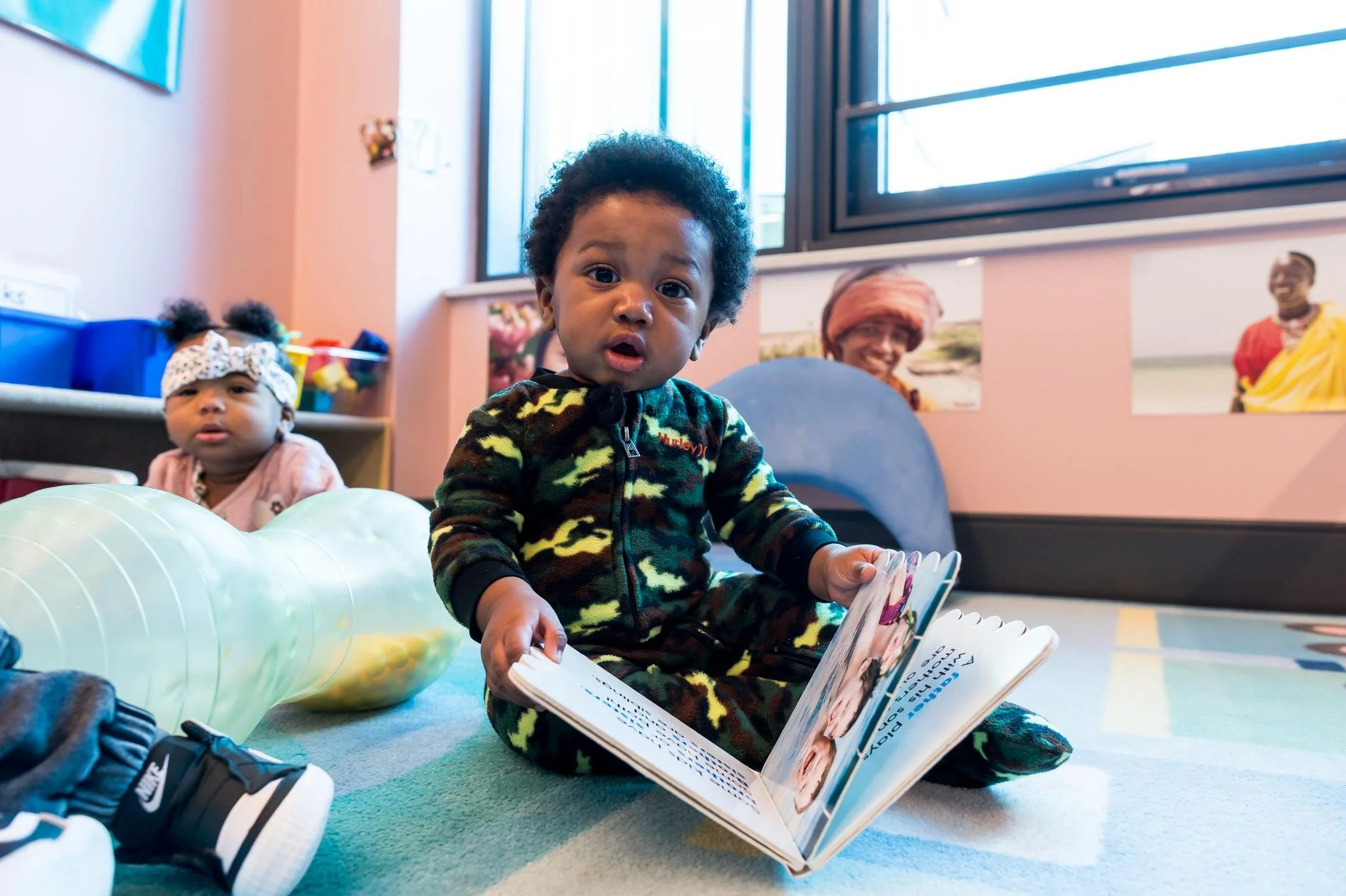
For 55 years, Centers for New Horizons has worked alongside children, families, and communities on Chicago’s South Side to strengthen families, support young people, and create pathways to stability and opportunity. That work has reinforced an important lesson: lasting change requires more than a single program or funding cycle. It depends on trusted relationships, connected services, strong partnerships, and the capacity to respond as needs evolve.
The impact of our work is often measured through outcomes such as children enrolled in early learning, young people connected to employment, and families receiving support. These numbers matter, but they don’t always capture the full picture. A young person who comes to Centers for employment support may also find a mentor. A parent seeking early childhood services may also need connections to housing, workforce resources, or other supports that affect the family’s stability. These experiences illustrate why effective services must look beyond individual programs to understand the whole family.

Supporting the Whole Family
Families rarely experience challenges in isolation. A conversation about a child’s development may reveal barriers involving housing, food access, transportation, or employment. When organizations build relationships and listen to families’ experiences, they are better positioned to recognize these connections and help people access the support they need.
At Centers, this means creating pathways between services and responding as family circumstances change. It also means recognizing that progress does not always follow a straight line. Lasting support requires more than addressing the immediate reason someone seeks help. It requires an approach that considers the broader circumstances affecting family wellbeing and stability.
Investing in the Capacity to Create Impact
Strong programs depend on strong organizations. In addition to funding direct services, nonprofit organizations need investment in staff development, leadership, technology, data systems, facilities, partnerships, and the administrative capacity that keeps their work moving forward.
Yet funding is often tied to specific activities or short-term outcomes, even when meaningful change takes years to achieve. Families’ needs shift, new challenges emerge, and organizations must be able to adapt. When funding is too narrowly restricted, organizations may lack the flexibility and resources to respond effectively.
Sustaining impact means investing not only in the services organizations deliver, but also in their ability to deliver them well over time. Funders and partners have an important role in strengthening the infrastructure that supports consistent, responsive services. For Centers, that capacity is essential to maintaining quality, building on trusted relationships, and meeting evolving needs.
Developing the Next Generation of Leaders
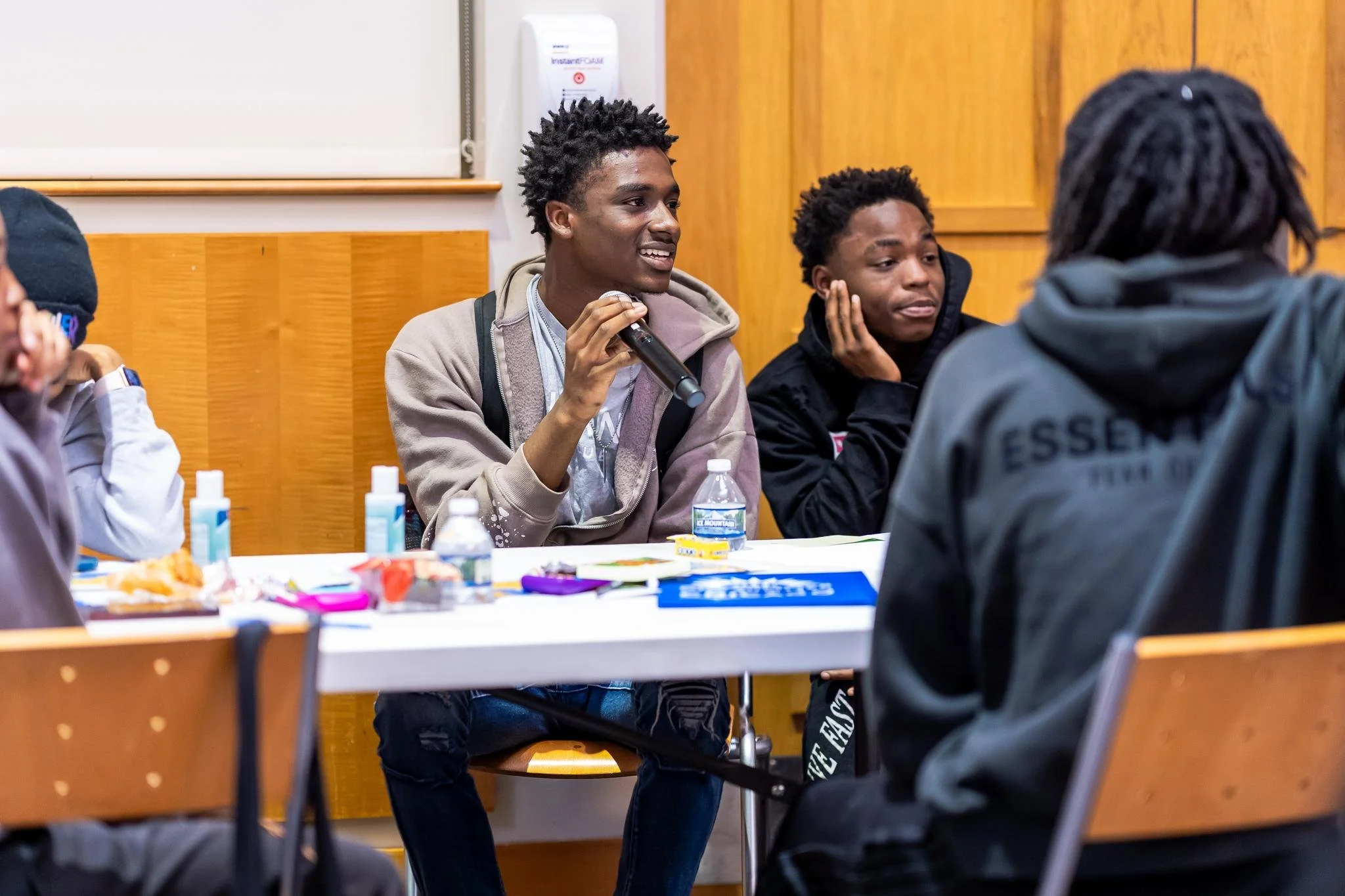
Lasting impact also depends on the people who will carry the work forward. Organizations serving children and families must continue developing their workforce, creating opportunities for professional growth, and helping young people see themselves as future leaders.
For Centers, preparing the next generation is part of sustaining a legacy while responding to a changing world. Longevity does not mean doing things exactly as they have always been done. It means holding onto the relationships and values that ground the work while continuing to learn, adapt, and invest in people. Developing future leaders helps ensure that families and communities have the talent and commitment needed to address the challenges ahead.
Carrying the Work Forward
Centers’ 55-year history reflects the value of staying connected to the community while building the relationships, partnerships, and organizational capacity needed to serve it over time. Lasting impact is created through the combined efforts of families, staff, funders, and community partners, working together toward greater stability and opportunity.
As needs continue to evolve, sustaining that impact requires a commitment to listening, learning, and investing for the long term. It also requires funders and partners to look beyond immediate outcomes and recognize the value of strengthening the organizations that communities depend on. When we invest in the capacity of organizations rooted in their communities, we help create the conditions for lasting change. That is how we build on 55 years of impact and continue creating pathways to opportunity for generations to come.